

The United States' recent foreign policy actions have sparked widespread concern among the international community, with a group of cross-party MPs calling on FIFA to consider expelling the country from the World Cup. The MPs' motion, signed by 23 politicians from various parties, cites the US's "repeated veiled and overt threats" towards several countries, including Venezuela, Colombia, and Cuba, as a major concern.
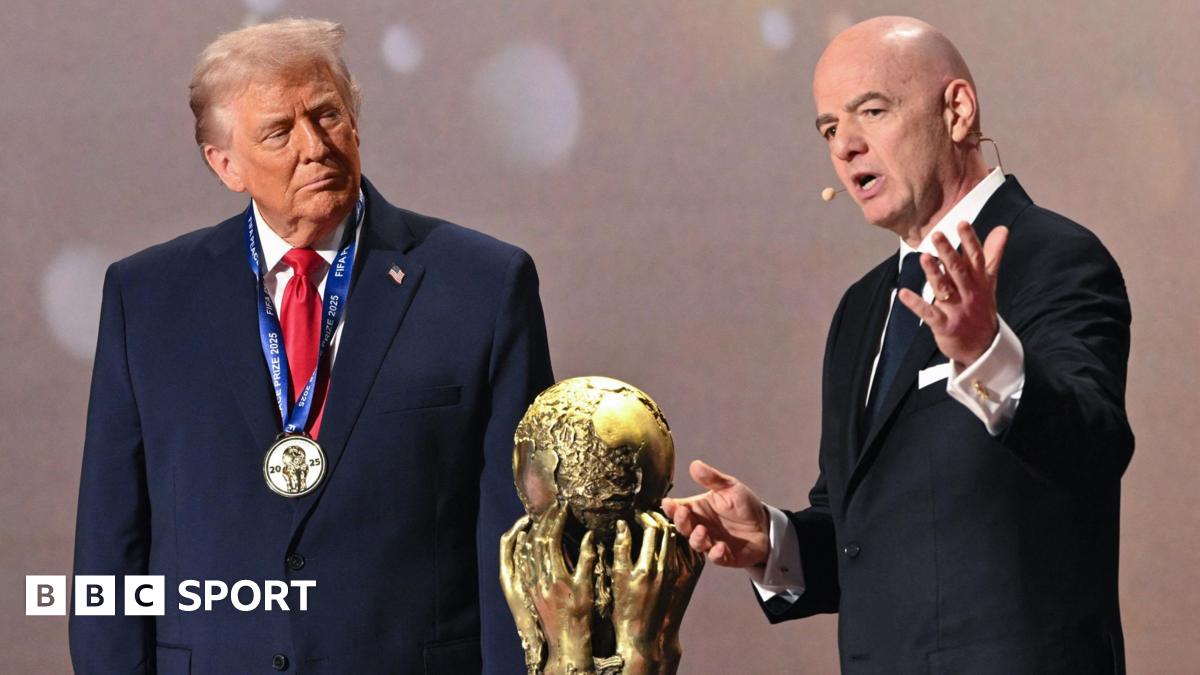
The US's seizure of Venezuelan leader Nicolas Maduro and warnings issued to other countries have raised questions about the country's commitment to international law and respect for sovereignty. FIFA's decision to award President Trump the inaugural 'Peace Prize' at the 2026 World Cup draw ceremony in Washington has also been called into question, given the US's subsequent military actions in Venezuela and Nigeria.
The MPs' motion states that international sporting events "should not be used to legitimise or normalise violations of international law by powerful states". This sentiment is echoed by many in the sporting community, who are concerned about the potential implications of the US's actions on the upcoming World Cup and Olympics.
The US's foreign policy has been marked by aggressive rhetoric and actions, with President Trump issuing warnings to several countries, including Colombia, Cuba, and Denmark. The President has also claimed that the US will control Venezuela and its oil industry, sparking concerns about the country's commitment to international law. UN Secretary General Antonio Guterres has expressed "deep concern" that the rules of international law have not been respected during the US action.
The MPs' motion has sparked a wider debate about the potential consequences for the US in international sports. With the US set to host both the World Cup and Olympics in the next two and a half years, there are concerns that the country's foreign policy could impact its relationships with other participating nations.
As the international community continues to grapple with the implications of the US's foreign policy, one thing is clear: the upcoming World Cup and Olympics will be closely watched for any signs of tension or conflict. With the US's actions sparking widespread concern, it remains to be seen how the country's relationships with other participating nations will play out on the world stage.
In the words of Colombia president Gustavo Petro, "there is now a real threat of US military action against our country". As the world prepares for the World Cup, the question on everyone's mind is: what does the future hold for international sports in the face of increasingly complex and contentious global politics?
The MPs' motion serves as a call to action for international sporting bodies, including FIFA, to consider the implications of the US's foreign policy on the upcoming World Cup. With the US set to host several high-profile international events in the next few years, it is imperative that these bodies take a strong stance on issues of international law and respect for sovereignty.
As the world watches with bated breath, one thing is clear: the upcoming World Cup and Olympics will be about more than just sports – they will be a reflection of the complex and often contentious world of international politics. The US's foreign policy has sparked a global conversation about the role of sports in promoting peace and respect for international law. It remains to be seen how this conversation will play out in the months and years to come.
Original: BBC Sport
Image: BBC Sport
Written by Npsports

