

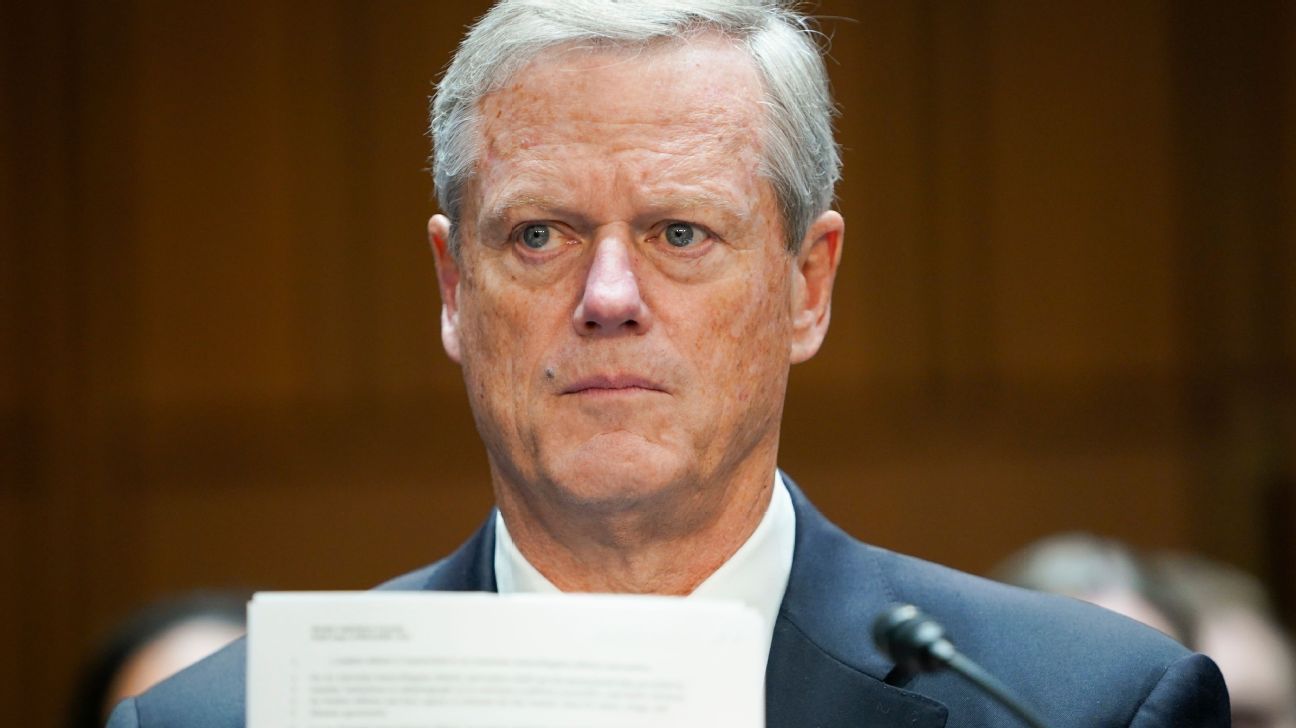
The National Collegiate Athletic Association (NCAA) has formally requested that the Commodity Futures Trading Commission (CFTC) suspend all prediction markets related to college sports until more stringent safeguards are implemented. In a letter addressed to the CFTC chairman, NCAA president Charlie Baker expressed concerns about the potential risks posed by these markets to student-athletes and the integrity of competition.
Key Areas of Concern
Baker identified several areas where prediction markets require additional safeguards, including:
While some prediction market companies, such as Kalshi, have implemented measures to monitor for integrity concerns, Baker believes that more needs to be done. He emphasized the need for heightened levels of review that don't exist in many prediction markets, such as tracing the geolocation of bettors. Additionally, Baker noted that prediction market operators are not required to report integrity concerns to other operators through an intermediary, a requirement that exists for sportsbooks in most states.
"So-called prediction markets are offering what anyone can see is unregulated betting on college games. We need federal regulators to stabilize this market." - Charlie Baker, NCAA President
Baker's comments come as the popularity of prediction markets continues to grow. These markets allow users to trade on the yes/no outcome of events, including sports, and are available in all 50 states to users 18 and older. In contrast, traditional sportsbooks operate in 39 states and the District of Columbia, where the betting age is usually 21.
Oversight and Regulation
The issue of oversight and regulation of prediction markets is a highly contested legal issue. State gambling regulators, which oversee traditional sportsbooks, are engaged in legal battles with leading prediction market companies in multiple states. These companies argue that they are not sportsbooks because users are not betting against the house, but rather trading contracts with other users on the opposite side of the proposition.
Major sports leagues have taken different stances on the issue of prediction markets. The NFL has expressed concerns about the industry's rise to Congress, while the NHL and UFC have partnered with prediction market companies such as Kalshi and Polymarket. The NCAA, however, remains committed to seeking federal intervention to regulate these markets and protect the integrity of college sports.
The CFTC and the Coalition for Prediction Markets, which represents many of the largest operators, have been contacted for comment. As the debate over prediction markets continues, one thing is clear: the need for robust safeguards and regulations to protect student-athletes and the integrity of competition is paramount.
In his speech at the 2026 NCAA Convention, Baker emphasized the need for federal regulators to take action. The NCAA is willing to work with the CFTC to develop protections that exist for legal sportsbooks, and it remains to be seen how the CFTC will respond to the NCAA's request. One thing is certain, however: the issue of prediction markets will continue to be a major topic of discussion in the world of sports and beyond.
Original: ESPN
Image: ESPN
Written by Npsports

