

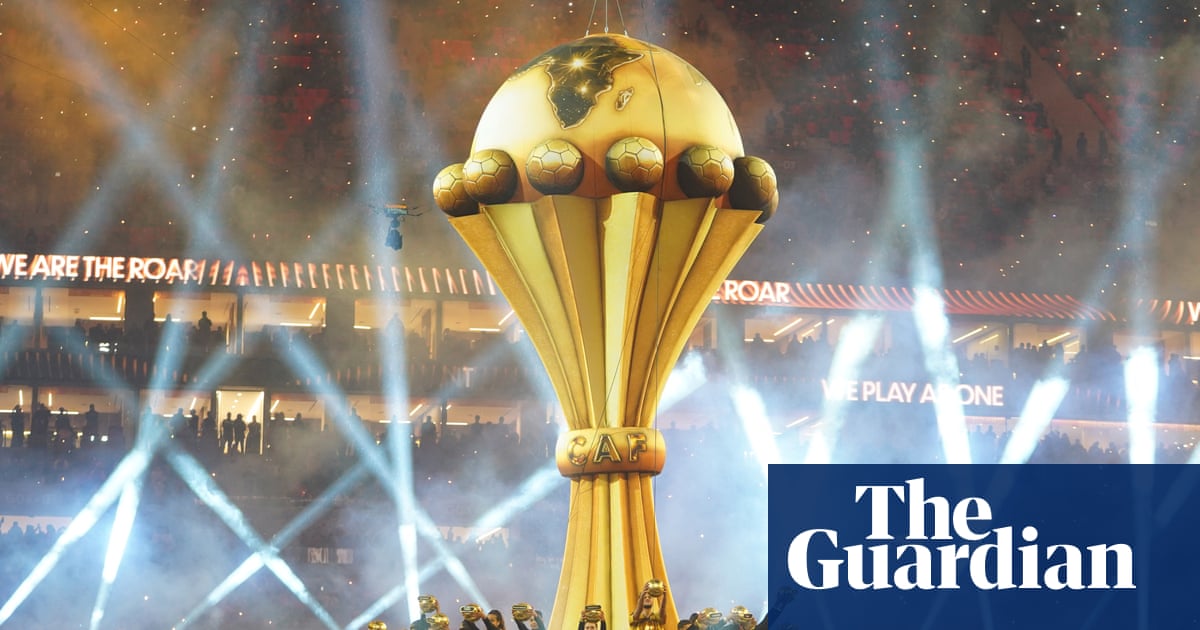
The decision to switch the Africa Cup of Nations (Afcon) from a biennial to a quadrennial tournament has been met with widespread concern among African federations, who fear that the change will have a significant impact on their finances. The move, which was first proposed by Gianni Infantino, the president of Fifa, in 2020, is set to come into effect from 2028, with the tournament being held every four years instead of every two.
Infantino's plan for the development of competitions and infrastructure in African football was outlined at a seminar in Rabat, where he floated the idea of holding Afcon every four years. The argument was that it would be more beneficial for countries "at the commercial level" and would help to "project African football to the top of the world". However, many African federations are worried that the change will result in a significant loss of revenue, with 80% of the Confederation of African Football's (Caf) revenue having historically been drawn from Afcon.
Caf's President Patrice Motsepe has confirmed the plans, despite previously stating that he disagreed with Infantino's proposal. Motsepe, who is also the owner of Mamelodi Sundowns and is thought to harbour political ambitions in his homeland, is banking on the launch of an annual African Nations League in 2029 to help fill the financial gap. However, the decision has raised questions over whether Caf would still be able to demand $1bn from its negotiations with sports and marketing companies.
"Let us show the world what we can do," Infantino said at the time. "This day is special – it's the start of a new chapter for African football." However, many African federations are not sharing his enthusiasm, and are instead worried about the financial implications of the change.
The switch to a quadrennial tournament is likely to have a significant impact on the finances of African federations, who rely heavily on the revenue generated by Afcon. With the tournament being held every four years, many federations are worried that they will lose out on a significant source of income. It is estimated that 80% of Caf's revenue comes from Afcon, and the change could result in a significant reduction in funding for many African federations.
The allegations against Mosengo-Omba, who has been accused of running the confederation as his "proprietorship" and creating a toxic culture of fear, have raised concerns among executives at sports and marketing companies. However, Motsepe has expressed "total confidence" in Mosengo-Omba, and has rarely visited Caf's headquarters in Cairo. The future of African football remains uncertain, and it remains to be seen how the switch to a quadrennial tournament will affect the finances and competitiveness of the sport on the continent.
The move away from holding the tournament every two years also raises questions over the demand for broadcasting rights and sponsorship deals. With the tournament being held every four years, many sponsors and broadcasters may be less likely to invest in the tournament, which could result in a significant reduction in revenue for Caf and its member associations. The implications of the change are far-reaching, and it remains to be seen how African football will adapt to the new format.
Original: The Guardian
Image: The Guardian
Written by Npsports

